
www.aero-defence.tech
05
'26
Written on Modified on
Unmanned Ground Systems Weapon Integration Cooperation
Milrem Robotics and EOS Defence Systems cooperate on integrating weapon, sensor, and counter-UAS systems into unmanned ground vehicles for networked land operations.
milremrobotics.com
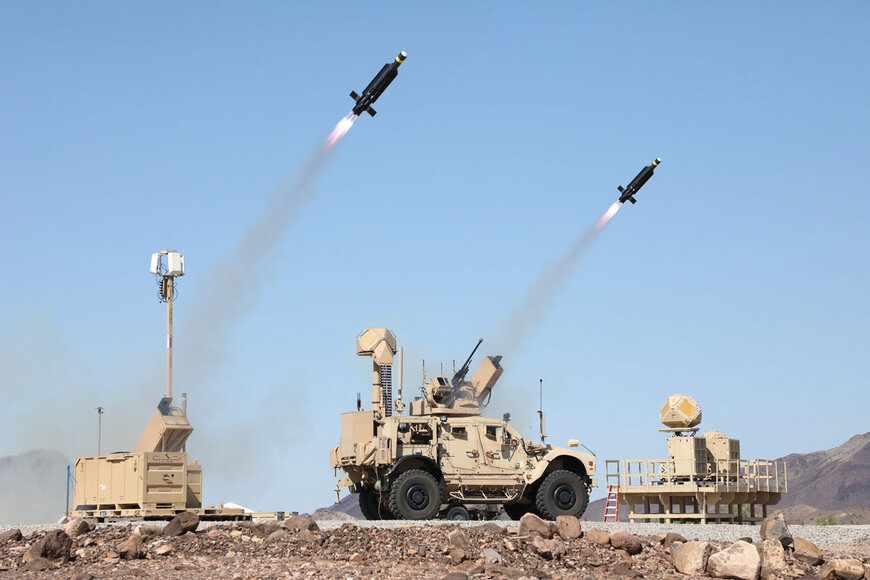
Milrem Robotics and EOS Defence Systems have entered a teaming agreement to cooperate on the development and integration of weaponised unmanned ground systems for defence applications. The cooperation focuses on combining unmanned ground vehicle (UGV) platforms with remotely operated weapon, sensor, and counter-UAS subsystems for use in mobile and network-centric land operations.
Context of the Cooperation
Milrem Robotics develops tracked and wheeled unmanned ground vehicles used for logistics, surveillance, and combat support roles. EOS Defence Systems specialises in remotely operated weapon stations, electro-optical sensors, and integrated counter-UAS solutions deployed on land and maritime platforms.
The cooperation addresses the increasing demand for mobile, unmanned systems capable of carrying sensors and effectors while operating as part of distributed and networked force structures. Integration complexity, weapon safety requirements, and command-and-control interoperability require coordination between platform manufacturers and weapon system integrators, making joint development necessary.
Technical Solution and Responsibilities
Under the agreement, Milrem Robotics provides the UGV platforms, vehicle control architecture, and mobility systems, while EOS Defence Systems contributes remote weapon stations, targeting sensors, fire control systems, and counter-UAS effectors.
Joint activities focus on integrating weapon and sensor payloads into UGV electrical, mechanical, and software architectures. This includes power management, data interfaces, stabilisation, recoil management, and integration with vehicle mission computers. The cooperation also covers command-and-control integration to support remote operation and networked engagement within existing military communications frameworks.
Planned technical work includes non-ITAR counter-UAS configurations, missile and grenade launcher integration, large-calibre weapon systems for heavy UGVs, and laser-based effectors for medium and large unmanned platforms.
Deployment and Integration Approach
The cooperation supports modular integration, allowing weapon and sensor systems to be configured based on mission requirements and vehicle class. Integration activities include laboratory testing, vehicle-level integration, and system validation to ensure compliance with safety, reliability, and military interoperability requirements.
Both companies contribute engineering support, system integration, and testing, with intellectual property and technical data shared where required to accelerate development and qualification.
Applications and Use Cases
Target applications include mobile counter-UAS, perimeter security, convoy protection, and remote fire support. Use cases focus on deploying armed UGVs in environments where fixed installations or crewed platforms limit operational flexibility.
Operational benefits are derived from reduced personnel exposure, improved platform survivability, and the ability to deploy sensors and effectors as part of distributed and layered defence systems.
Expected Impact
While no performance figures have been disclosed, the cooperation is structured to shorten integration timelines and reduce technical risk by aligning platform and weapon system development. The initial market focus includes selected programmes in Europe, the Middle East and North Africa, and the Asia-Pacific region, with further opportunities assessed based on system requirements and regulatory constraints.
www.milremrobotics.com
