
www.aero-defence.tech
12
'26
Written on Modified on
SeaRAM Integration for Australia’s Mogami-Class Frigates
Raytheon and Mitsubishi Heavy Industries are cooperating to integrate SeaRAM ship defense systems into Australia’s Sea3000 frigate program.
www.rtx.com
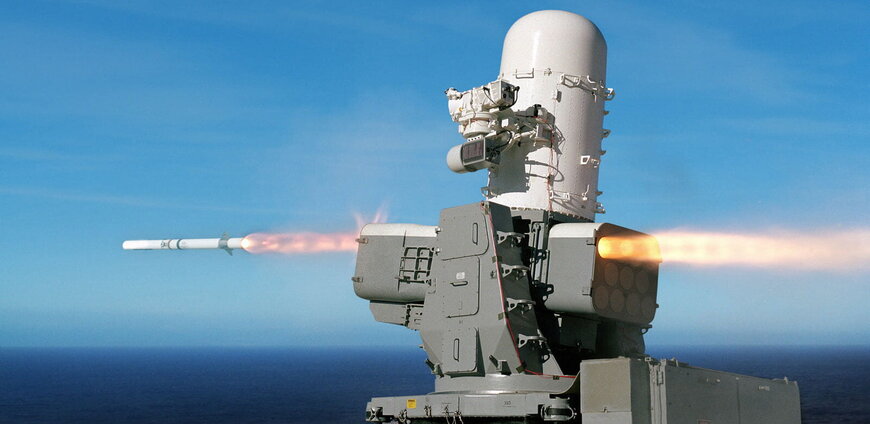
Raytheon, an RTX business, has signed a contract with Mitsubishi Heavy Industries (MHI) to supply SeaRAM terminal defense systems for the Royal Australian Navy’s future Mogami-class frigates under the Sea3000 General Purpose Frigate program. The cooperation supports the replacement of Australia’s Anzac-class frigates with 11 upgraded Mogami-class vessels designed for multi-role naval operations.
Naval Defense Integration
The cooperation combines MHI’s role as shipbuilder and platform integrator with Raytheon’s expertise in naval air and missile defense systems. The first phase covers the initial three frigates being constructed in Japan.
The program addresses the requirement for layered naval defense against anti-ship missiles and other airborne threats. Integrating autonomous close-range interception systems into modern surface combatants requires coordination between ship design, combat management systems, radar interfaces, and launcher integration. The partnership allows MHI to incorporate a combat-proven terminal defense capability into the frigate architecture while leveraging Raytheon’s operational experience with SeaRAM deployments.
SeaRAM System Configuration
SeaRAM combines the Phalanx Close-In Weapon System (CIWS) sensor and tracking architecture with the Rolling Airframe Missile (RAM) interceptor. The system is designed to provide autonomous terminal defense against cruise missiles, unmanned aerial systems, and other high-speed airborne threats.
Under the contract, Raytheon will provide SeaRAM launchers, Blast Test Vehicles, and technical services supporting installation, integration, and system testing. The launcher integrates radar and electro-optical tracking functions derived from the Phalanx CIWS while using RAM missiles for extended engagement range compared with gun-based close-in defense systems.
The system operates as a self-contained defensive layer capable of detecting, tracking, and engaging threats with limited operator input. This architecture supports survivability requirements for modern naval platforms operating in contested maritime environments.
Deployment and Industrial Roles
The first three SeaRAM-equipped frigates will be built by MHI in Japan as part of the initial implementation phase of the Sea3000 program. Raytheon’s production and technical support activities will be carried out in Louisville, Kentucky, with deliveries scheduled to begin in late 2028.
MHI is responsible for ship construction and onboard integration activities, while Raytheon provides the weapon system hardware, validation assets, and technical engineering support required during installation and testing phases.
Operational Applications
The integrated defense system is intended for surface combat operations requiring protection against anti-ship missile attacks and other short-notice aerial threats. Potential operational applications include escort missions, maritime patrol, fleet air defense support, and protection of strategic naval assets.
The adoption of SeaRAM also aligns Australia with the broader international RAM operator community, supporting interoperability and sustainment within allied naval defense networks. The program contributes to the expansion of integrated naval defense and digital infrastructure capabilities across the Royal Australian Navy’s future surface fleet.
Edited by an industrial journalist Sucithra Mani with AI assistance.
www.rtx.com
