
www.aero-defence.tech
22
'26
Written on Modified on
Optronic Vision System Integration for Infantry Modernization Programs
Thales provides specialized optronic equipment for a military modernization program led by Rheinmetall to expand tactical digital infrastructure.
www.thalesgroup.com
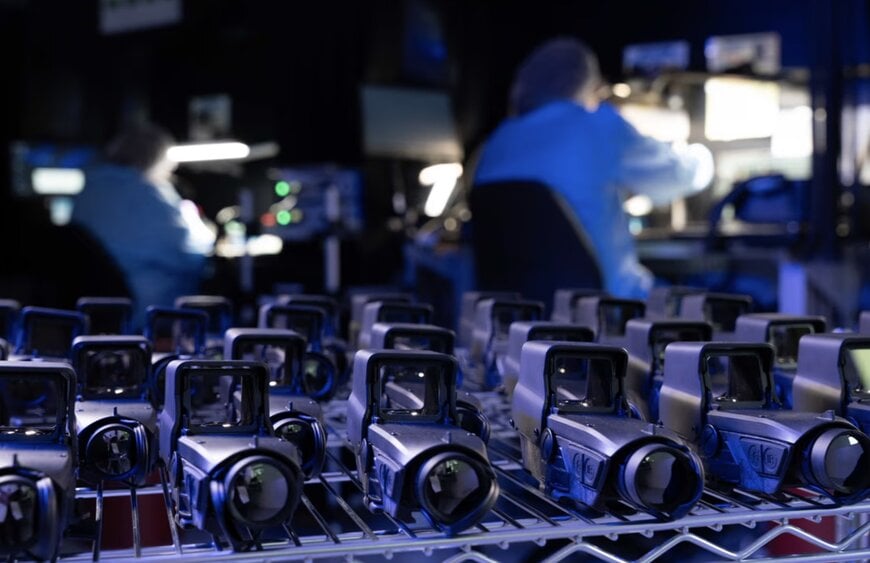
Thales and Rheinmetall have partnered to integrate new-generation optronic vision and sighting systems into the infantry modernization framework of the German armed forces. This cooperation addresses the hardware requirements of the defense sector by deploying augmented reality and thermal imaging systems for dismounted infantry operations.
Strategic Cooperation for Defense Modernization
Rheinmetall operates as the prime contractor for the Infanterist der Zukunft - Erweitertes System (IdZ-ES) modernization program, overseeing the integration of advanced soldier systems. Thales functions as the manufacturer supplying the optronic hardware. The operational challenge involves equipping military personnel with high-performance visual augmentation tools without increasing the physical equipment payload. Cooperation was required to combine the manufacturing scale and optronic expertise of the supplier with the system-level integration capabilities of the prime contractor for large-scale deployments.
Optronic Hardware and System Architecture
The technical solution comprises two primary components: the XTRAIM day and night sight and a new-generation night vision system. The sight unit merges reflex sighting with thermal imaging, allowing for target engagement across varying visibility conditions. The new night vision system integrates intensified imaging, thermal imaging, and augmented reality data displays. The systems utilize an open architecture framework to ensure interoperability and seamless data connectivity with existing tactical digital infrastructure. Rheinmetall is responsible for integrating these standalone components into the broader military communication network.
Tactical Applications and Operational Benefits
The primary application area is the defense industry, specifically targeting dismounted infantry and special forces. Concrete technical use cases include low-light navigation, thermal target detection in obscured environments, and the real-time processing of augmented reality tactical overlays. The resulting operational benefits include improved process stability during nighttime deployments and a reduction in the total weight of soldier-borne equipment by consolidating multiple visual interfaces into single unified devices.
Production Scaling and Implementation Phases
The deployment involves the delivery of optronic systems in the mid-four-figure range. Initial implementation phases are scheduled for 2027, followed by a planned production ramp-up to output several hundred units per month. To support this scale, capital is being allocated to German manufacturing facilities to expand localized production and lifecycle support capabilities. This localized supply chain integration ensures that maintenance and technical engineering support remain structurally embedded within the deployment region throughout the hardware's operational lifecycle.
Operational Impact and Lifecycle Planning
The structural integration of these optronic systems provides measurable improvements to interoperability and field survivability. By establishing a localized production footprint, the cooperation structurally lowers procurement risks and guarantees component availability for long-term lifecycle planning. The open architecture design ensures that the hardware can maintain connectivity with evolving command and control networks.
"XTRAIM and our new night vision system will enhance day- and night-time combat capabilities, support faster decision-making, and improve the connectivity of soldier-borne systems," stated Christoph Ruffner, CEO and Country Director of Thales Germany.
Edited by Aishwarya Mambet, Induportals Editor, with AI assistance.
www.thalesgroup.com
