
www.aero-defence.tech
07
'26
Written on Modified on
Automated Manned-Unmanned Teaming Advances Maritime Surveillance Operations
Northrop Grumman and Boeing demonstrate machine-to-machine collaboration for enhanced maritime intelligence gathering and anti-surface warfare.
www.northropgrumman.com
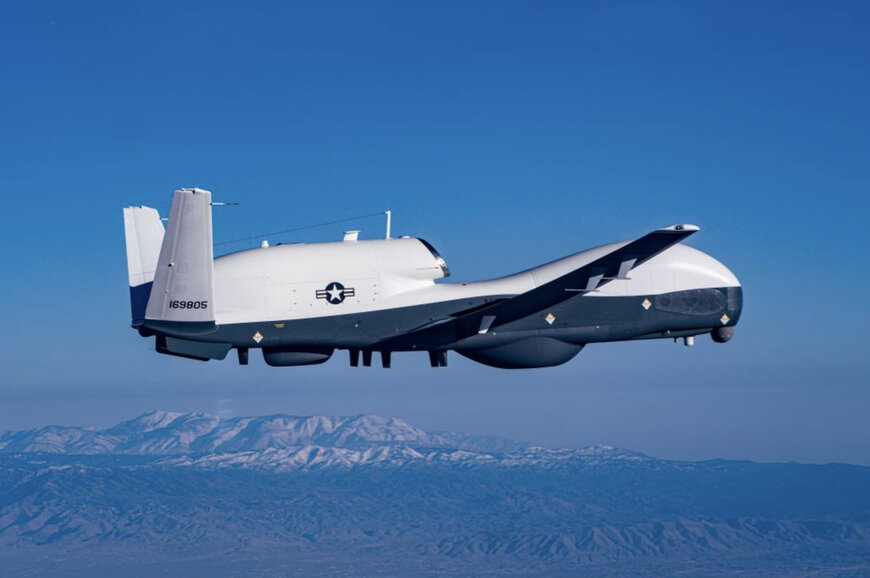
Photo Credit: Northrop Grumman
Northrop Grumman and Boeing have successfully tested automated interoperability between their uncrewed MQ-4C Triton and crewed P-8A Poseidon aircraft systems. This technology demonstration validates a standardized machine-to-machine interface designed to optimize maritime intelligence, surveillance, and reconnaissance missions by linking disparate platforms within a unified maritime data ecosystem.
Integrating Open Systems Architecture for Maritime Domain Awareness
During a laboratory demonstration in San Diego, California, on August 5, 2026, the two defense manufacturers established a direct machine-to-machine connection between the uncrewed and crewed systems. This test marked the initial deployment of automated mission control spanning both platforms utilizing open systems architecture. The core objective is to improve the efficiency of intelligence sharing and anti-surface warfare coordination across different military assets without heavy human intervention.
Artificial Intelligence and Standardized Interface Mechanics
The technical foundation of this capability relies on the Universal Command and Control Interface, a protocol derived from Open Mission Systems and the Autonomy - Government Reference Architecture. Within the simulated exchange, the uncrewed aircraft utilized artificial intelligence algorithms to autonomously collect, process, and transmit intelligence data directly in response to digital requests initiated by the crewed aircraft system. By standardizing the communication layer, the interface allows these platforms to function as interoperable nodes, bypassing the need for manual data relay.
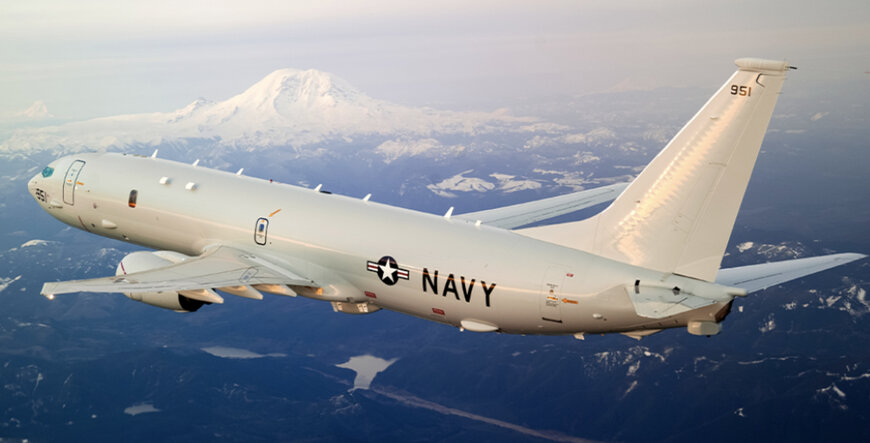
Photo Credit: Boeing
Operational Use Cases and Mission Benefits
Application areas for this technology encompass broad-area maritime patrol, signals intelligence gathering, and search and rescue operations. By automating the data exchange and mission planning phases, the system significantly reduces operator workload aboard the crewed aircraft. Consequently, commander decision-making accelerates, and integration across allied fleets becomes more cost-effective. The uncrewed aircraft provides persistent surveillance capabilities that enable early detection of adversary movements, which are then relayed instantaneously to the crewed command platform for rapid tactical response.
Industry Perspectives on Platform Interoperability
Company representatives emphasized the strategic utility of this integration. Jane Bishop, vice president and general manager of the global surveillance division at Northrop Grumman, stated that the platforms deliver complementary capabilities, and the demonstration underscores the flexibility of the systems to address evolving maritime threats through standardized architecture. Tory Peterson, vice president of the Boeing P-8 Program, noted that the teaming demonstration expands the scope and effectiveness of active missions through low-risk, evolutionary enhancements applied to advanced maritime patrol aircraft already in service.
Additional Context:
This section details technical specifications and competitive benchmarking not included in the original product announcement
Within the domain of manned-unmanned teaming for maritime intelligence, surveillance, and reconnaissance, the primary competitive alternative is the General Atomics MQ-9B SeaGuardian. While the Triton operates as a High-Altitude Long-Endurance platform relying on the Universal Command and Control Interface and Open Mission Systems architecture for machine-to-machine interoperability, the SeaGuardian functions as a Medium-Altitude Long-Endurance platform. The SeaGuardian prioritizes compliance with NATO STANAG 4671 standards and civil airspace integration. Furthermore, while the Triton focuses on automated intelligence sharing and wide-area persistent surveillance, the SeaGuardian incorporates direct anti-submarine warfare hardware, such as sonobuoy dispensing systems, acting either as a standalone asset or a direct remote extension of crewed patrol aircraft. Both approaches utilize open architectures, but they benchmark different operational parameters: high-altitude algorithmic data synthesis versus medium-altitude modular payload deployment.
Edited by Natania Lyngdoh, Induportals editor, assisted by AI.
www.northropgrumman.com
Northrop Grumman and Boeing have successfully tested automated interoperability between their uncrewed MQ-4C Triton and crewed P-8A Poseidon aircraft systems. This technology demonstration validates a standardized machine-to-machine interface designed to optimize maritime intelligence, surveillance, and reconnaissance missions by linking disparate platforms within a unified maritime data ecosystem.
Integrating Open Systems Architecture for Maritime Domain Awareness
During a laboratory demonstration in San Diego, California, on August 5, 2026, the two defense manufacturers established a direct machine-to-machine connection between the uncrewed and crewed systems. This test marked the initial deployment of automated mission control spanning both platforms utilizing open systems architecture. The core objective is to improve the efficiency of intelligence sharing and anti-surface warfare coordination across different military assets without heavy human intervention.
Artificial Intelligence and Standardized Interface Mechanics
The technical foundation of this capability relies on the Universal Command and Control Interface, a protocol derived from Open Mission Systems and the Autonomy - Government Reference Architecture. Within the simulated exchange, the uncrewed aircraft utilized artificial intelligence algorithms to autonomously collect, process, and transmit intelligence data directly in response to digital requests initiated by the crewed aircraft system. By standardizing the communication layer, the interface allows these platforms to function as interoperable nodes, bypassing the need for manual data relay.
Photo Credit: Boeing
Operational Use Cases and Mission Benefits
Application areas for this technology encompass broad-area maritime patrol, signals intelligence gathering, and search and rescue operations. By automating the data exchange and mission planning phases, the system significantly reduces operator workload aboard the crewed aircraft. Consequently, commander decision-making accelerates, and integration across allied fleets becomes more cost-effective. The uncrewed aircraft provides persistent surveillance capabilities that enable early detection of adversary movements, which are then relayed instantaneously to the crewed command platform for rapid tactical response.
Industry Perspectives on Platform Interoperability
Company representatives emphasized the strategic utility of this integration. Jane Bishop, vice president and general manager of the global surveillance division at Northrop Grumman, stated that the platforms deliver complementary capabilities, and the demonstration underscores the flexibility of the systems to address evolving maritime threats through standardized architecture. Tory Peterson, vice president of the Boeing P-8 Program, noted that the teaming demonstration expands the scope and effectiveness of active missions through low-risk, evolutionary enhancements applied to advanced maritime patrol aircraft already in service.
Additional Context:
This section details technical specifications and competitive benchmarking not included in the original product announcement
Within the domain of manned-unmanned teaming for maritime intelligence, surveillance, and reconnaissance, the primary competitive alternative is the General Atomics MQ-9B SeaGuardian. While the Triton operates as a High-Altitude Long-Endurance platform relying on the Universal Command and Control Interface and Open Mission Systems architecture for machine-to-machine interoperability, the SeaGuardian functions as a Medium-Altitude Long-Endurance platform. The SeaGuardian prioritizes compliance with NATO STANAG 4671 standards and civil airspace integration. Furthermore, while the Triton focuses on automated intelligence sharing and wide-area persistent surveillance, the SeaGuardian incorporates direct anti-submarine warfare hardware, such as sonobuoy dispensing systems, acting either as a standalone asset or a direct remote extension of crewed patrol aircraft. Both approaches utilize open architectures, but they benchmark different operational parameters: high-altitude algorithmic data synthesis versus medium-altitude modular payload deployment.
Edited by Natania Lyngdoh, Induportals editor, assisted by AI.
www.northropgrumman.com
