
www.aero-defence.tech
06
'26
Written on Modified on
THAAD Propulsion Contract
L3Harris and Lockheed Martin Expand THAAD Missile Defense Propulsion Production Systems.
www.l3harris.com
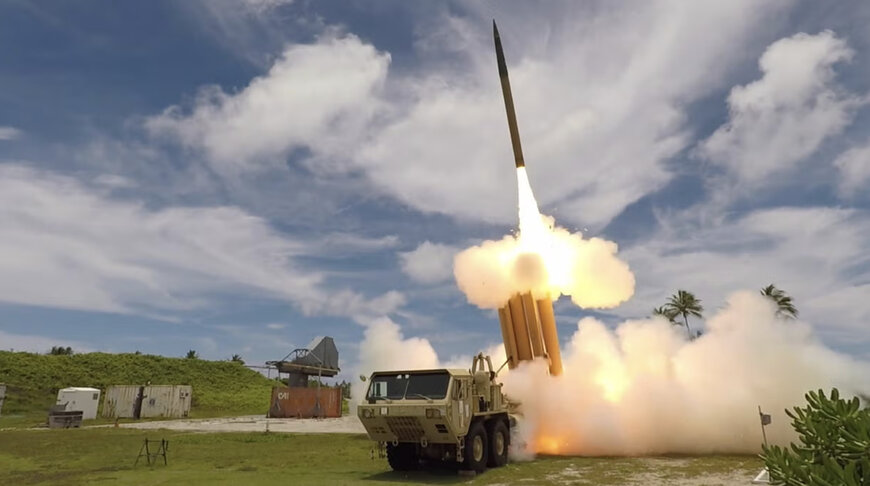
Defense manufacturing sectors require scaled production capacity to manufacture complex interceptor propulsion components for modern missile defense networks. Cooperation between prime contractors and propulsion specialists enables high-volume manufacturing of solid rocket motors and attitude control systems.
Partners and Operational Scope
L3Harris Technologies and Lockheed Martin are collaborating to scale propulsion manufacturing for the Terminal High Altitude Area Defense missile system. L3Harris provides specialized rocket motors and attitude control technology, while Lockheed Martin manages overall system integration and prime contracting duties. This joint initiative addresses the operational challenge of meeting expanded defense production schedules for high-altitude interceptor components. Cooperation is necessary due to the high industrial complexity and technical precision required to manufacture reliable solid rocket boost motors and liquid divert systems at scale.
Technical Architecture and System Division
The technical solution relies on advanced solid rocket propulsion and liquid divert and attitude control systems designed for high-velocity atmospheric and exoatmospheric interception. Division of responsibilities allocates solid rocket motor manufacturing and liquid propulsion expansion to L3Harris, whereas Lockheed Martin coordinates final missile assembly and interceptor guidance integration. The propulsion architecture operates under strict defense quality standards, ensuring reliable thrust vector control and thermal stability during high-Mach maneuvering. Production components comply with military specification standards for defense electronics and energetic materials.
Deployment and Facility Integration
Implementation occurs through the construction of a new dedicated manufacturing facility and the expansion of existing production lines for solid rocket boost motors and liquid control components. Integration with current defense manufacturing infrastructure involves upgrading tooling capacity, testing chambers, and supply chain quality loops. Engineering teams from both organizations coordinate facility design, qualification testing, and manufacturing readiness reviews to ensure consistent output during the multi-year production cycle.
Operational Benefits and Use Cases
Primary application areas include strategic land-based missile defense systems designed to neutralize short-, medium-, and intermediate-range ballistic threats. The technical use case focuses on high-altitude interception within and outside Earth atmosphere, protecting critical assets from advanced trajectory threats. Operational benefits include increased interceptor inventory availability, reliable flight-stage separation, and sustained propulsion performance across complex tactical engagement scenarios.
Edited by Sucithra Mani, Induportals editor – adapted by AI.
www.l3harris.com
