
www.aero-defence.tech
06
'26
Written on Modified on
FAA Radar Modernization Advances With Collins Aerospace Contract
Collins Aerospace will deliver cooperative and non-cooperative radar systems under a long-term FAA program to replace legacy air traffic surveillance infrastructure across the United States.
www.rtx.com
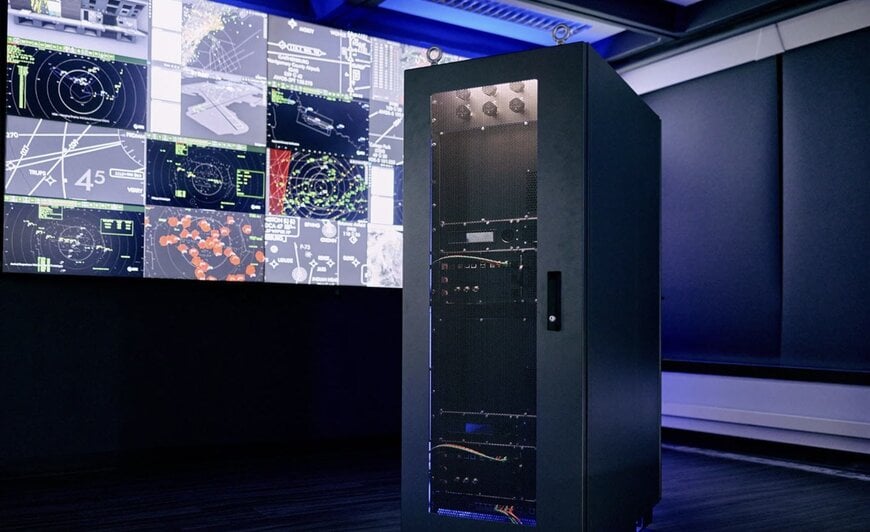
Federal Aviation Administration has awarded Collins Aerospace, an RTX business, a $438 million contract to support the Radar System Replacement program, a core element of the U.S. Department of Transportation’s effort to modernize the National Airspace System. The program addresses the technical limitations of aging radar infrastructure by introducing unified, digital surveillance architectures designed for long-term interoperability and resilience.
Replacing legacy radar infrastructure
Much of the current U.S. air traffic surveillance network relies on radar systems that were deployed decades ago and require parallel operation of multiple technologies to detect and track aircraft. This complexity increases maintenance costs and operational risk, particularly as traffic volumes, airspace users, and system integration requirements continue to grow.
The Radar System Replacement program consolidates these functions by introducing a common architecture capable of supporting both cooperative and non-cooperative surveillance. Cooperative radar systems interact directly with aircraft transponders, while non-cooperative radars detect aircraft based on reflected radio signals. Integrating both capabilities into a standardized platform reduces system fragmentation and simplifies air traffic control workflows.
Technical scope of the Collins Aerospace systems
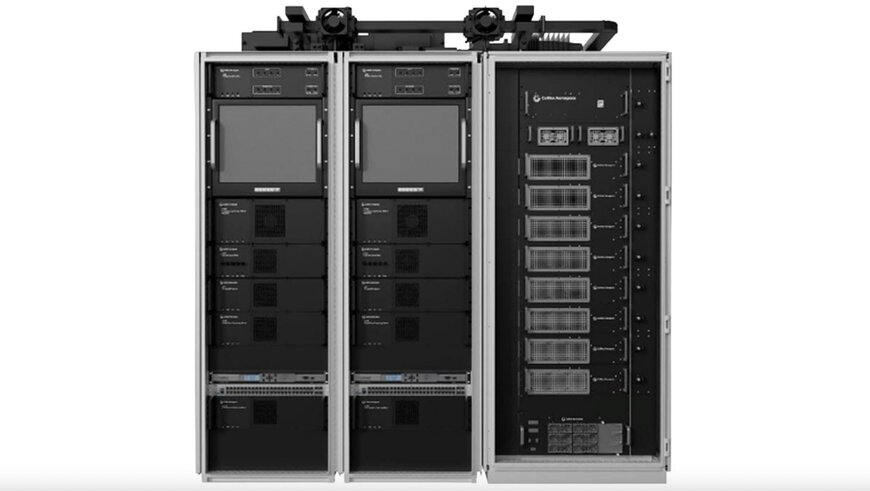
Under the contract, Collins Aerospace will supply two radar technologies that have already met FAA surveillance qualification requirements through prior test-site certification activities. The Condor Mk3 is a cooperative surveillance radar designed to communicate with aircraft transponders, supporting identification and altitude reporting. The ASR-XM is a non-cooperative radar that provides primary detection of aircraft without reliance on onboard equipment.
Both systems are designed to integrate with existing FAA infrastructure while enabling incremental upgrades, allowing the agency to transition away from multiple legacy radars without disrupting ongoing operations. The unified architecture is intended to improve data consistency, reduce lifecycle costs, and support future enhancements as airspace requirements evolve.
Implications for air traffic operations
For air traffic controllers, the modernization program aims to provide more reliable and secure surveillance data with fewer system interfaces to manage. From a technical perspective, replacing several specialized radars with interoperable platforms reduces redundancy while maintaining coverage for diverse operational scenarios, including high-density terminal airspace and adverse weather conditions.
The program also aligns with broader efforts to prepare the National Airspace System for future demands, including increased automation, advanced air mobility, and higher data integrity requirements. By standardizing radar technologies and interfaces, the FAA establishes a foundation for integrating additional surveillance and traffic management capabilities over time.
Long-term modernization context
The Radar System Replacement program is a foundational component of the FAA’s wider air traffic control modernization strategy, which seeks to improve safety, efficiency, and maintainability across the national network. With this contract, Collins Aerospace extends its long-standing role in U.S. air traffic surveillance by contributing systems designed to meet current regulatory requirements while supporting future operational and technological change.
www.rtx.com
