
www.aero-defence.tech
16
'26
Written on Modified on
Airbus And Partners Launch Next Phase Of European Rotorcraft Technology
Airbus leads a twelve-nation consortium to advance ENGRT II, focusing on AI-driven cockpits and autonomous flight capabilities to ensure future European military strategic autonomy.
www.airbus.com
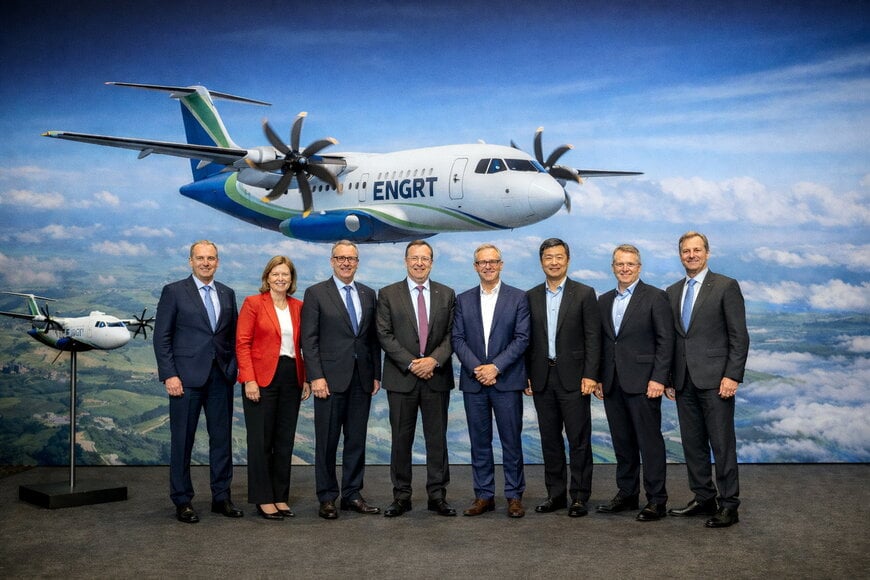
What is the future of European military flight, and how will it surpass current global standards? The European Next Generation Rotorcraft Technologies (ENGRT) initiative has officially entered its second phase, signaling a shift from preliminary research to active development. This project represents a strategic move to ensure that Europe does not just keep pace with international competitors but establishes a new benchmark for speed, range, and digital intelligence in vertical lift.
Advancing Beyond Conventional Speed and Range
Unlike existing military helicopter fleets, the ENGRT II project focuses on breaking traditional performance trade-offs. While conventional helicopters often sacrifice speed for payload or range for maneuverability, this initiative is maturing two distinct high-performance architectures. The first is a compound rotorcraft design, building on the record-breaking technologies of the Airbus Racer, which uses lateral rotors to achieve speeds significantly higher than standard helicopters. The second is a tilt-rotor configuration, which combines the vertical take-off versatility of a helicopter with the high-speed cruise efficiency of a fixed-wing aircraft. By developing these in parallel, the consortium ensures that the next generation of European aircraft will outmatch current global platforms in rapid deployment and tactical reach.
Strategic Autonomy Through a Unified European Industry
A key differentiator of the ENGRT project is its focus on European strategic autonomy. By mobilizing a massive 53-member consortium across 12 nations, including major players like Airbus and Leonardo alongside specialized SMEs, the project reduces reliance on non-European technology. This collective industrial approach allows for the development of a fully European supply chain—including a dedicated heavy helicopter engine (EURA)—ensuring that maintenance, upgrades, and operational readiness remain entirely within European control through the 2040 horizon.
Digital Superiority and Cognitive Combat
The battlefield of the future demands more than just physical speed; it requires cognitive superiority. ENGRT II is prioritizing the integration of artificial intelligence and collaborative teaming to reduce pilot workload and improve decision-making in high-stress, contested environments. Future platforms will feature "cognitive cockpits" that filter mission-critical data and manage "crewed-uncrewed teaming" (MUM-T). This allows a single piloted aircraft to coordinate a fleet of autonomous drones, extending its sensory range and strike capability while keeping the human crew at a safe distance from threats. These digital advancements are designed to operate even in electronically jammed or cyber-contested areas, providing a resilience that is becoming the new standard for modern defense.
Long-term Fleet Readiness and Availability
Beyond the aircraft's flight performance, the project is rethinking how military fleets are maintained. By utilizing digital twins and integrated logistic support from the design phase, the next generation of rotorcraft is being built for high availability and ease of repair in austere environments. This focus on lifecycle efficiency ensures that European armed forces can maintain a high state of readiness with lower long-term costs and fewer logistical bottlenecks compared to previous generations of military hardware.
www.airbus.com
