
www.aero-defence.tech
21
'26
Written on Modified on
Propeller Drive System Engineering for Electric Aviation Architectures
VÆRIDION is collaborating with Drive System Design to develop and test a redundant multi-engine transmission system for commercial electric aircraft.
vaeridion.com
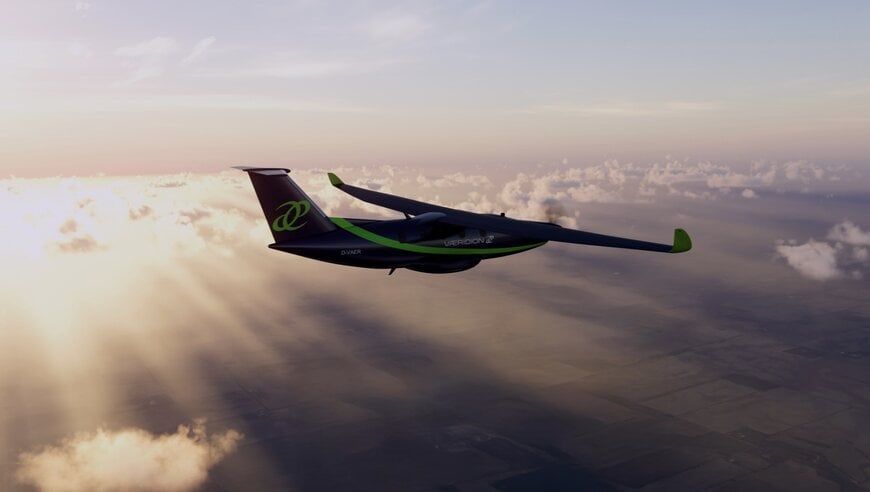
VÆRIDION and Drive System Design have partnered to engineer and validate the Blue-Label propeller drive system for the nine-seat Microliner electric aircraft. This cooperation focuses on developing a multi-engine, single-propeller transmission architecture for the aerospace sector, transitioning the system from preliminary design to physical testing.
Partnership and Operational Scope
Announced at the Farnborough International Airshow in Farnborough, UK, in July 2026, the agreement divides system development between aircraft design and mechanical transmission engineering. VÆRIDION functions as the aircraft manufacturer defining the proprietary propulsion architecture. Drive System Design provides specialized aerospace engineering for transmission systems and integrated electric propulsion. The aerospace industry requires electric propulsion systems that manage strict mass and thermal limits while ensuring mechanical redundancy. This cooperation addresses these constraints by combining an integrated aircraft architecture with dedicated mechanical-system design, simulation, and physical validation capabilities.
Technical Solution and System Architecture
The Microliner utilizes a multi-engine, single-propeller configuration, where two independent electric engines power a central propeller via a direct-drive transmission. The system incorporates an integrated clutch mechanism designed to automatically decouple a failing engine in the event of power loss. This allows the remaining operational engine to maintain propeller rotation without mechanical drag from the decoupled unit.
Drive System Design is responsible for the detailed engineering and manufacturing of the propeller drive unit, the motor support structure, the driveshaft, and the clutch. The technical scope also covers oil-system development, component optimization, and hardware procurement for the initial test units.
Implementation and Testing Phases
The engineering and deployment process follows a two-stage pathway. The initial phase supports the preliminary design review gateway. In the second phase, Drive System Design will manufacture and functionally test the hardware at its UK facilities. These internal tests evaluate rotational operation, lubrication performance, sealing integrity, and governor functionality under simulated loads.
Following this validation, the physical units will be shipped to Oberpfaffenhofen airport in Germany. There, they will be integrated into the full-scale Copper Bird ground-test platform, operating alongside two electric engines for complete propulsion system testing.
Applications and Expected Impact
This electric propulsion unit targets the regional aviation market, specifically applied to nine-seat electric passenger aircraft. The direct-drive, dual-engine architecture establishes critical mechanical redundancy, increasing operational safety and process stability for electric flights. By validating this transmission system on the Copper Bird test rig, the companies aim to mature the hardware toward flightworthy, certification-compliant standards necessary for commercial aerospace deployment.
Jason Allen, Managing Director at Drive System Design, stated: "Our role as a key partner extends from managing relevant aerospace requirements, through detailed engineering and simulation and onto hardware manufacture and physical testing."
Edited by Aishwarya Mambet, Induportals Editor, with AI assistance.
www.vaeridion.com
