
www.aero-defence.tech
07
'23
Written on Modified on
CONSORTIUM LAYS PATHWAY FOR GREEN HYDROGEN AVIATION TO TAKE FLIGHT IN NEW ZEALAND
The potential for up to 900,000 tonnes of carbon emissions to be removed every year by 2050 through the use of liquid hydrogen-fuelled aircraft.
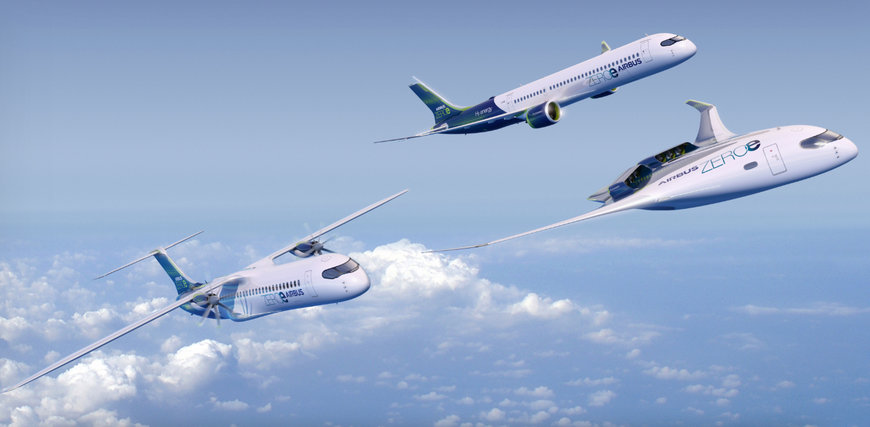
A new report called ‘Launching green hydrogen-powered aviation in Aotearoa New Zealand’ demonstrates how the consortium members could work together to remove up to 900,000 tonnes of carbon emissions every year by 2050 through the use of hydrogen-fuelled aircraft flying New Zealand domestic routes.
The Report has just been released by the New Zealand Hydrogen Aviation Consortium – a partnership of six international businesses Airbus, Air New Zealand, Christchurch Airport, Fortescue, Hiringa Energy and Fabrum.
Launched in February 2023, the Consortium has spent the last six months examining the hydrogen supply chain, evaluating the local aviation market’s projected hydrogen requirements, and scoping what it would take to establish a successful hydrogen ecosystem for aviation in New Zealand.
The Consortium has also developed recommendations for the regulations and incentives needed to support the transition to a green hydrogen aviation system.
Airbus is working to develop the world’s first hydrogen aircraft for commercial use.
Its ZEROe Ecosystem Vice President, Karine Guenan says New Zealand is uniquely positioned to lead the testing and deployment of low-carbon aircraft.
To enable green hydrogen aviation to take-off, New Zealand will need to:
- Scale affordable new-generation renewable energy in New Zealand to support the production of green hydrogen.
- Develop the transmission and distribution capacity to move that renewable electricity to where it is needed
- Develop policies and regulations to create and support a green hydrogen ecosystem.
- Develop a range of new systems and processes to ensure the safe production, distribution and use of green hydrogen.
- Become more cost-effective to produce and supply green hydrogen to ensure its commercial viability.
The Consortium’s modelling shows New Zealand could use up to 100,000 tonnes of green hydrogen per year for hydrogen-fuelled aircraft by 2050 with most of it required to fuel planes at Auckland, Wellington and Christchurch airports.
